

Ever found an old bar of handmade soap tucked away in a drawer and wondered if it's still safe to use? You're not alone: this is one of the most common questions we get here at the farm. The short answer is both reassuring and complicated: handmade soap doesn't expire like milk or bread, but it does change over time in ways that affect its quality and safety.
Let's dive into the science behind soap shelf life and what you really need to know about storing and using your favorite handmade bars.
The Science of Soap Stability
Unlike mass-produced commercial soaps that can last 2-3 years, handmade natural soaps operate by different rules. Research in cosmetic chemistry shows that the stability of soap depends largely on its formulation, water activity, and storage conditions¹.
Handmade soap is essentially the result of saponification: a chemical reaction between oils/fats and sodium hydroxide (lye) that creates soap molecules and glycerin. This process continues slowly even after the soap is "finished," which is why many artisan soapmakers recommend a 4-6 week curing period².
The glycerin naturally produced in handmade soap is hygroscopic, meaning it attracts moisture from the air. This is great for your skin but can affect shelf life if not managed properly³.
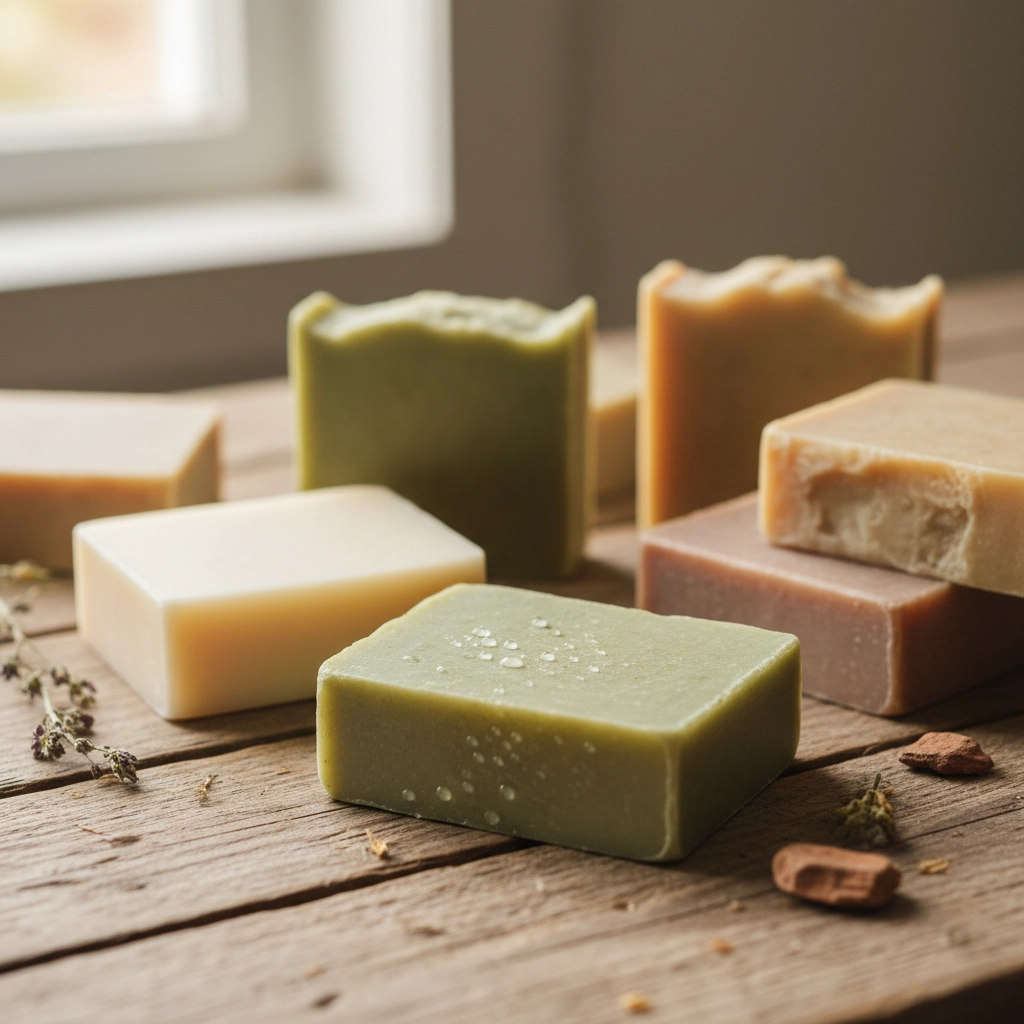
What Actually Changes in Aging Soap
The Oxidation Factor
The primary concern with older handmade soap isn't traditional spoilage: it's oxidation. A study published in the Journal of the American Oil Chemists' Society found that unsaturated fatty acids in natural oils are particularly susceptible to oxidative rancidity when exposed to air, light, and heat⁴.
This oxidation process can cause:
- Color changes (often yellowing or browning)
- Scent degradation or development of "off" odors
- Texture changes, including increased brittleness or softness
- Reduced lather quality
Microbial Growth Considerations
Research in applied microbiology shows that soap's high pH (typically 9-10) creates an inhospitable environment for most harmful bacteria⁵. However, handmade soaps without synthetic preservatives can still support microbial growth under certain conditions, particularly when water activity levels exceed 0.6⁶.
The Great Handmade vs. Commercial Divide
Commercial soaps often contain synthetic preservatives like BHT (butylated hydroxytoluene) or EDTA (ethylenediaminetetraacetic acid) that significantly extend shelf life⁷. These additives prevent oxidation and chelate metal ions that could catalyze degradation reactions.
Handmade soaps rely on natural preservation methods:
- Natural antioxidants like vitamin E (tocopherol) or rosemary extract
- Low water activity through proper curing
- pH optimization to discourage microbial growth
- Careful ingredient selection favoring more stable oil combinations
Studies show that soaps made with predominantly saturated fats (like coconut oil) tend to have longer shelf lives than those high in unsaturated oils (like olive oil)⁸.
Storage Science: Maximizing Your Soap's Lifespan
Temperature and Humidity Control
Research published in the International Journal of Cosmetic Science demonstrates that temperature fluctuations accelerate both chemical and physical degradation in soap products⁹. The ideal storage temperature is between 60-70°F (15-21°C) with relative humidity below 60%.
Light Protection
UV radiation catalyzes oxidation reactions in natural oils and can degrade natural colorants and fragrances. A study in Food Chemistry found that even indirect sunlight can significantly accelerate rancidity in natural fats¹⁰.
Air Exposure Management
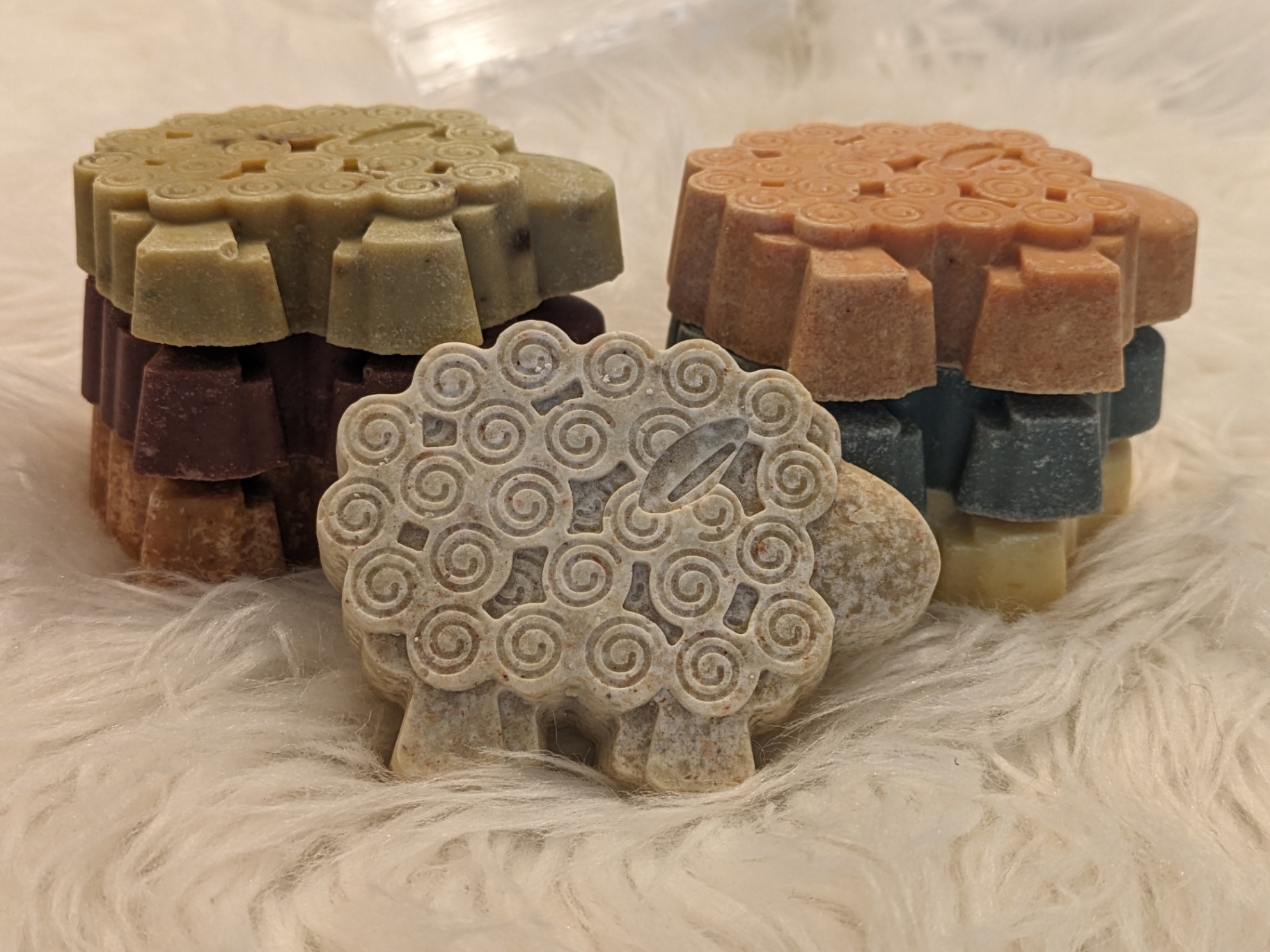
Oxygen is the primary culprit in soap degradation. For long-term storage, wrapping unused bars in wax paper or storing them in airtight containers can extend shelf life significantly¹¹.
Reading the Warning Signs
Safe Age-Related Changes
Not all changes indicate your soap has gone bad. Normal aging might include:
- Gradual scent fading (essential oils naturally evaporate)
- Minor color shifts (particularly in soaps with natural colorants)
- Slight texture changes (often becoming harder as moisture evaporates)
- Development of "soda ash" (white, chalky surface: completely harmless)
Red Flag Indicators
However, certain changes signal it's time to retire your soap:
- Rancid odors: Sharp, unpleasant smells distinct from normal scent fading
- Visible mold: Any fuzzy growth, particularly in humid storage areas
- Oily surface residue: Could indicate oil separation or DOS (dreaded orange spots)
- Significant texture deterioration: Extreme softness, cracking, or crumbling
The Microbiology of Handmade Soap
A fascinating study in Applied and Environmental Microbiology found that traditional soap-making actually creates an environment hostile to pathogenic bacteria¹². The high pH combined with surfactant action disrupts bacterial cell membranes.
However, contamination can occur during use rather than storage. Research shows that soap bars can harbor bacteria on their surface, but these are typically transient and washed away with the next use¹³. The key is proper drainage between uses: standing water can create microbial breeding grounds.
Special Considerations for Sheep Milk Soap
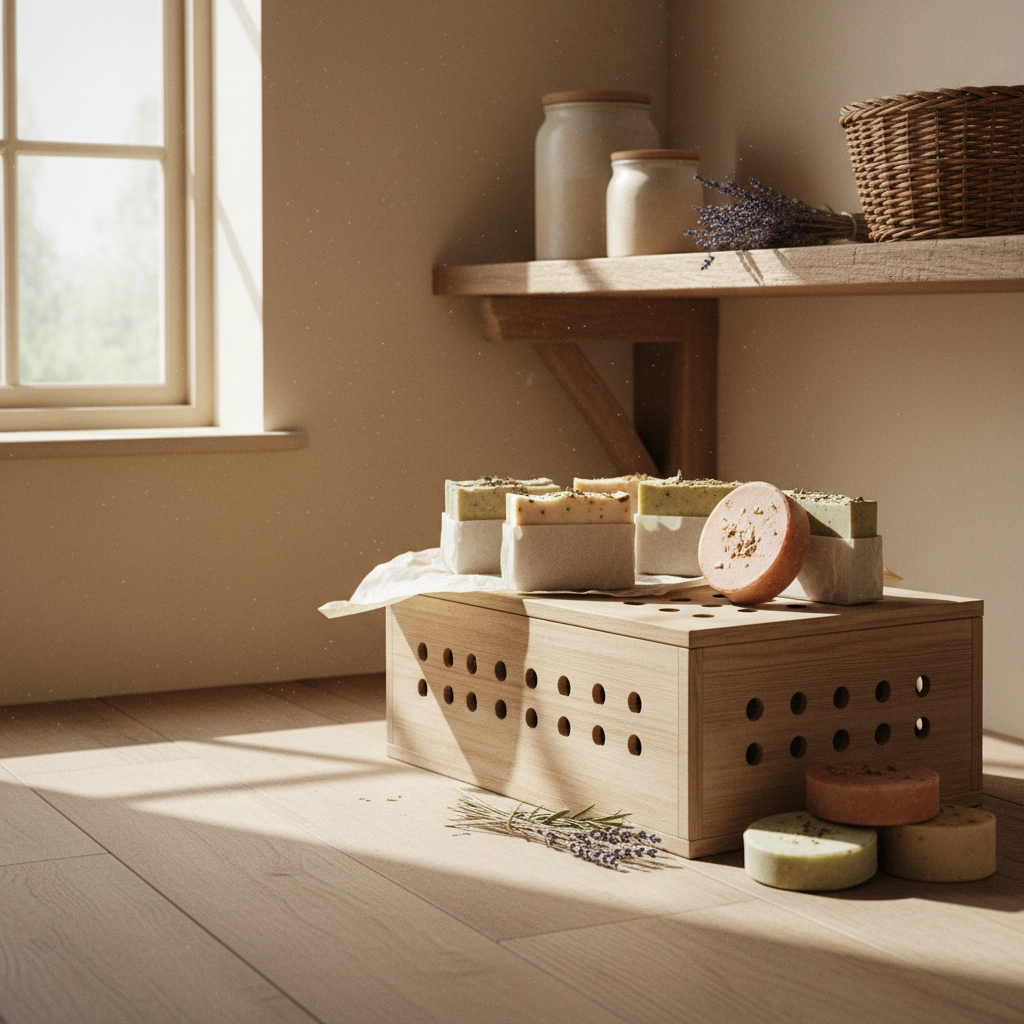
Our sheep milk soaps contain additional proteins and fats that provide exceptional skin benefits but require slightly different storage considerations. Studies on dairy-based cosmetics show that proteins can undergo Maillard reactions over time, potentially causing browning: this is purely cosmetic and doesn't affect safety¹⁴.
The natural antimicrobial peptides found in sheep milk may actually help preserve the soap, though more research is needed in this area¹⁵.
Extending Shelf Life Naturally
Rotation Strategy
Use your oldest soaps first: what soapmakers call "FIFO" (first in, first out). Date your bars when you receive them to track age.
Optimal Usage Timeline
While handmade soap can remain usable for years under perfect conditions, quality peaks within the first 12-18 months. After this point, you may notice diminished lather, scent, or moisturizing properties.
Environmental Factors
Store soap away from heat sources, direct sunlight, and humid areas like bathrooms (for long-term storage). A bedroom dresser drawer or linen closet often provides ideal conditions.
The Bottom Line on Soap Expiration
Handmade soap doesn't expire in the traditional sense, but it does change. Understanding these changes helps you use your soap safely while enjoying peak quality. Most handmade soaps remain perfectly safe and effective for 1-2 years when stored properly, though they're usually at their absolute best within the first year.
The beauty of handmade soap lies partly in its natural evolution: embrace the subtle changes while staying alert to signs that indicate it's time to reach for a fresh bar. With proper storage and regular rotation, you can enjoy your handmade soaps at their peak while maintaining the peace of mind that comes with understanding the science behind their stability.
References:
- Spitz, L. (1996). Soaps and Detergents: A Theoretical and Practical Review. AOCS Press.
- Cavitch, S. (2001). The Natural Soap Book. Storey Publishing.
- Rosen, M. J., & Kunjappu, J. T. (2012). Surfactants and Interfacial Phenomena. John Wiley & Sons.
- Shahidi, F., & Zhong, Y. (2010). Lipid oxidation and improving the oxidative stability. Chemical Society Reviews, 39(11), 4067-4079.
- McDonnell, G., & Russell, A. D. (1999). Antiseptics and disinfectants: activity, action, and resistance. Clinical Microbiology Reviews, 12(1), 147-179.
- Beuchat, L. R. (1981). Microbial stability as affected by water activity. Cereal Foods World, 26(7), 345-349.
- Branen, A. L., Davidson, P. M., Salminen, S., & Thorngate, J. H. (Eds.). (2001). Food additives. CRC Press.
- Gunstone, F. D. (2004). The Chemistry of Oils and Fats: Sources, Composition, Properties and Uses. Blackwell Publishing.
- Lochhead, R. Y. (2017). The role of polymers in cosmetics: Recent trends. ACS Symposium Series, 1148, 3-56.
- Choe, E., & Min, D. B. (2006). Mechanisms and factors for edible oil oxidation. Comprehensive Reviews in Food Science and Food Safety, 5(4), 169-186.
- Kartal, C., Özvural, E. B., & Vural, H. (2012). Evaluation of quality characteristics of Turkish traditional soap. Journal of Consumer Protection and Food Safety, 7(4), 431-440.
- Zapka, C. A., et al. (2012). Bacterial hand contamination and washing effectiveness in microbiologists and undergraduate students. Applied and Environmental Microbiology, 78(17), 6250-6255.
- Heinze, J. E., & Yackovich, F. (1988). Washing with contaminated bar soap is unlikely to transfer bacteria. Epidemiology & Infection, 101(1), 135-142.
- van Boekel, M. A. (1998). Effect of heating on Maillard reactions in milk. Food Chemistry, 62(4), 403-414.
- Pellegrini, A. (2003). Antimicrobial peptides from food proteins. Current Pharmaceutical Design, 9(16), 1225-1238.


