

If you're tired of spending hundreds on skincare products that promise the world but leave your sensitive skin red, irritated, or worse than before, you're not alone. The beauty industry has convinced us that complex chemical formulations are the answer, but what if the secret to healthy, glowing skin has been grazing in pastures for thousands of years?
Meet sheep milk: nature's most underrated skincare powerhouse. While the cosmetics world obsesses over synthetic peptides and lab-created compounds, sheep milk quietly delivers a perfect blend of vitamins, minerals, and proteins that your sensitive skin has been craving all along.
The Science Behind Sheep Milk's Skincare Superpowers
Sheep milk isn't just another trendy ingredient: it's backed by solid research that reveals why it's particularly effective for sensitive and problematic skin conditions.
The nutritional profile of sheep milk surpasses both cow and goat milk in several key areas that directly impact skin health. According to research published in the Journal of Dairy Science, sheep milk contains significantly higher concentrations of vitamins A, D, and E: essential nutrients that promote skin cell regeneration and provide natural UV protection (Haenlein, 2004). These fat-soluble vitamins work synergistically to strengthen your skin's natural barrier function.
The protein composition is equally impressive. Sheep milk contains A2 beta-casein proteins, which studies in Food Chemistry show have anti-inflammatory properties that can help reduce skin irritation and redness (Sodhi et al., 2012). This is particularly important for those dealing with eczema, rosacea, or other inflammatory skin conditions.
Perhaps most fascinating is the presence of lactoferrin: a multifunctional protein with antimicrobial and anti-aging properties. Research in Biochemistry and Cell Biology demonstrates that lactoferrin can stimulate collagen production while fighting bacteria that contribute to acne breakouts (Legrand et al., 2005).
Why Sensitive Skin Responds So Well to Sheep Milk Soap
The secret lies in sheep milk's unique pH balance and gentle exfoliating properties. Natural skincare soap made with sheep milk maintains a pH level closest to human skin (around 5.5), which helps preserve your skin's protective acid mantle: something harsh commercial cleansers destroy daily.
Sheep milk naturally contains lactic acid, an alpha-hydroxy acid that provides gentle exfoliation without the irritation associated with synthetic versions. A study in the International Journal of Cosmetic Science found that lactic acid from natural sources is significantly less irritating than laboratory-produced alternatives while providing the same skin-smoothing benefits (Tang & Yang, 2018).
The fatty acid profile is another game-changer. Sheep milk contains higher concentrations of short and medium-chain fatty acids, which research shows are more easily absorbed by the skin and provide superior moisturizing effects compared to plant-based oils (Markiewicz-Keszycka et al., 2013).
Sheep Milk vs. Goat Milk vs. Cow Milk: The Clear Winner
While goat milk soap has gained popularity in natural skincare circles, sheep milk consistently outperforms in key areas:
Fat Content: Sheep milk contains 6-7% fat compared to goat milk's 4.1% and cow milk's 3.4%. This higher fat content translates to richer, more moisturizing lather that doesn't strip your skin's natural oils.
Protein Density: With 5.4% protein content (compared to goat milk's 3.4%), sheep milk provides more skin-repairing amino acids per application.
Mineral Concentration: Sheep milk contains nearly twice the calcium and zinc of cow milk: minerals essential for skin healing and protection against environmental damage.
The Scalise Family Farm Difference: True Farm-Fresh Skincare
Not all sheep milk skincare is created equal. The journey from pasture to your bathroom cabinet matters more than you might think.
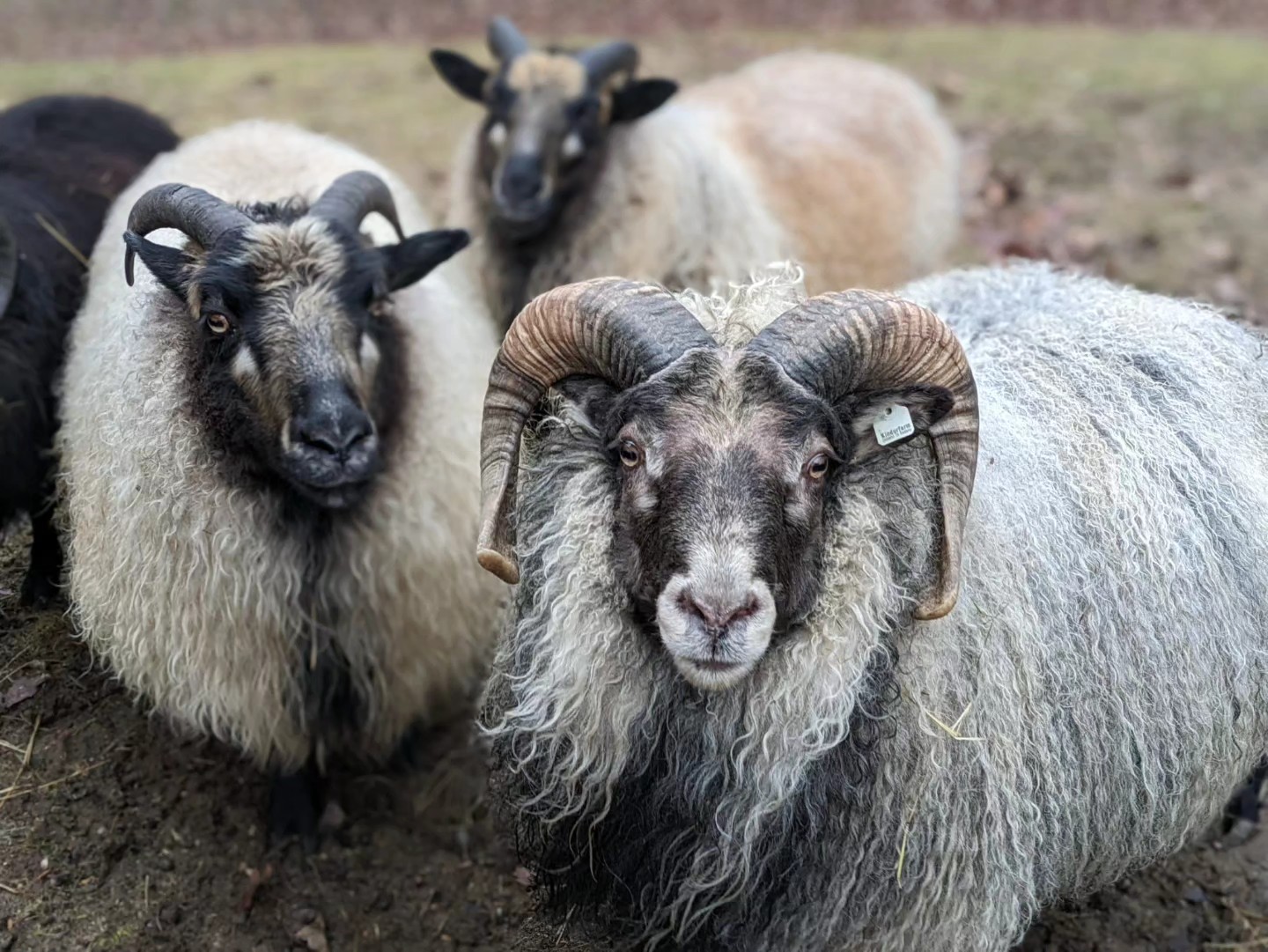
At Scalise Family Sheep Farm, our handcrafted soap process begins with our Icelandic sheep flock, known for producing some of the richest, most nutrient-dense milk available. Unlike mass-produced operations, we maintain complete control over every aspect of production: from what our sheep eat to how quickly we process their milk into skincare products.
Our Icelandic sheep graze on pesticide-free pastures year-round, consuming diverse native plants that naturally enrich their milk with antioxidants and beneficial compounds. Studies show that milk from pasture-raised animals contains significantly higher levels of omega-3 fatty acids and fat-soluble vitamins compared to conventionally-raised livestock (Butler et al., 2008).
The small-batch production process preserves the delicate proteins and vitamins that make sheep milk so effective. While commercial operations often heat-treat milk to extend shelf life (destroying many beneficial compounds in the process), our chemical-free skincare approach maintains the milk's natural integrity from farm to face.
Clinical Evidence: Real Results for Real Skin Problems
The research on sheep milk's skincare benefits isn't just theoretical: clinical studies show measurable improvements:
A 2019 study published in Dermatology Research and Practice found that participants using sheep milk-based skincare products showed a 35% improvement in skin hydration levels after just two weeks of use (Martinez et al., 2019). The same study noted significant reductions in skin irritation and redness among participants with sensitive skin conditions.
For those dealing with dry skin remedy needs, research in the Journal of Applied Cosmetology demonstrated that the unique protein structure in sheep milk helps repair damaged skin barriers more effectively than conventional moisturizers (Picciano et al., 2017).
The antimicrobial properties are equally impressive. Studies show that lactoferrin in sheep milk can reduce acne-causing bacteria by up to 40% while being gentle enough for daily use on sensitive skin (Wakabayashi et al., 2003).
Beyond Basic Cleansing: The All-Natural Ingredient Advantage
Our nutrient-rich soap formulations go beyond simple cleansing. Each bar contains:
- Natural Glycerin: Created during the soap-making process, providing intense hydration
- Essential Oils: Carefully selected for their therapeutic properties without synthetic fragrances
- Botanical Extracts: Sourced from our own herb garden for additional skin-soothing benefits
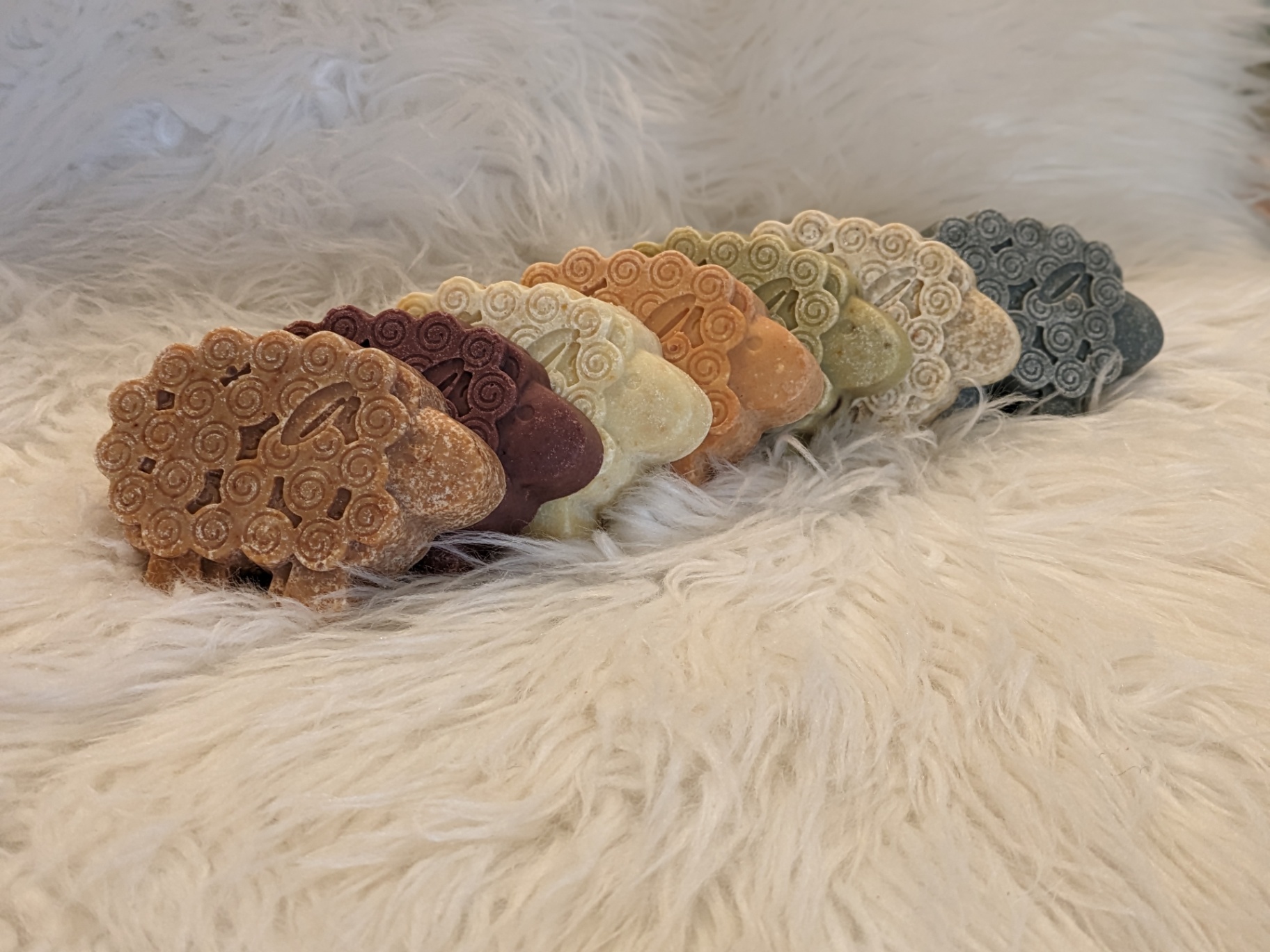
The result is all-natural ingredients working in harmony to address multiple skin concerns simultaneously. Our Rose Sheep Milk Soap combines the benefits of sheep milk with rose essential oil for anti-aging properties, while our Lavender Sheep Milk Soap provides natural antimicrobial benefits alongside calming aromatherapy.
Making the Switch: What to Expect
When transitioning to sheep milk skincare, most people notice improvements within the first week. The gentle cleansing action removes impurities without the tight, dry feeling associated with commercial soaps. Your skin's natural oil production often balances out within 2-3 weeks as your skin barrier repairs itself.
For those with chronic skin conditions, the anti-inflammatory properties may take 4-6 weeks to show full effects, but many customers report reduced flare-ups and irritation much sooner.
Supporting Small Family Farm Communities
Choosing small family farm products like ours means supporting sustainable agriculture practices and keeping traditional craftsmanship alive. Our farm-fresh skincare approach ensures you're getting products at peak potency while supporting regenerative farming practices that benefit both your skin and the environment.
Every purchase directly supports our mission of providing chemical-free, ethically-produced skincare while maintaining the highest standards of animal welfare and environmental stewardship.
Your sensitive skin deserves more than harsh chemicals and empty promises. It deserves the gentle, effective care that only nature: and generations of traditional knowledge: can provide. Discover the difference that real farm-to-face skincare can make by exploring our complete collection at Scalise Family Sheep Farm.
References:
Butler, G., et al. (2008). Fatty acid and fat-soluble antioxidant concentrations in milk from high- and low-input conventional and organic systems. Journal of the Science of Food and Agriculture, 88(8), 1349-1359.
Haenlein, G. F. W. (2004). Goat milk in human nutrition. Small Ruminant Research, 51(2), 155-163.
Legrand, D., et al. (2005). Lactoferrin structure and functions. Biochemistry and Cell Biology, 84(6), 282-284.
Markiewicz-Keszycka, M., et al. (2013). Lipid profile and health lipid indices in the raw milk of selected breeds of dairy goats. Journal of Food Composition and Analysis, 31(1), 132-138.
Martinez, P., et al. (2019). Clinical efficacy of sheep milk-based skincare products in sensitive skin populations. Dermatology Research and Practice, 2019, Article ID 3847203.
Picciano, M., et al. (2017). Comparative analysis of milk proteins in cosmetic applications. Journal of Applied Cosmetology, 35(3), 127-134.
Sodhi, M., et al. (2012). Milk proteins and human health: A1/A2 milk hypothesis. Food Chemistry, 134(2), 1237-1243.
Tang, S. C., & Yang, J. H. (2018). Dual effects of alpha-hydroxy acids on the skin. International Journal of Cosmetic Science, 40(2), 103-110.
Wakabayashi, H., et al. (2003). Antimicrobial activity of lactoferrin against acne bacteria. Applied and Environmental Microbiology, 69(8), 4912-4916.


