

Every morning when we step into our soapmaking workspace here at Scalise Family Sheep Farm, the air fills with the gentle, authentic aromas of lavender fields, blooming roses, and fresh herbs. There's something fundamentally different about these natural scents compared to the artificial fragrances found in most commercial products: and science is increasingly backing up what our noses have always known.
The Hidden Dangers of Synthetic Fragrances
The fragrance industry relies heavily on synthetic chemicals, with over 3,000 different compounds used in modern perfumery, many of which have never been tested for safety (Steinemann, 2016). Research published in Environmental Health Perspectives found that synthetic fragrances can trigger asthma, headaches, and contact dermatitis in sensitive individuals, with nearly 35% of the population reporting adverse health effects from fragranced products (Steinemann, 2018).
What's particularly concerning is that fragrance formulations are considered trade secrets, meaning companies aren't required to disclose specific ingredients. A single product listing "fragrance" or "parfum" on its label can contain dozens of undisclosed synthetic chemicals, including phthalates, which studies have linked to hormone disruption and reproductive issues (Dodson et al., 2012).
Our Farm-to-Skin Philosophy
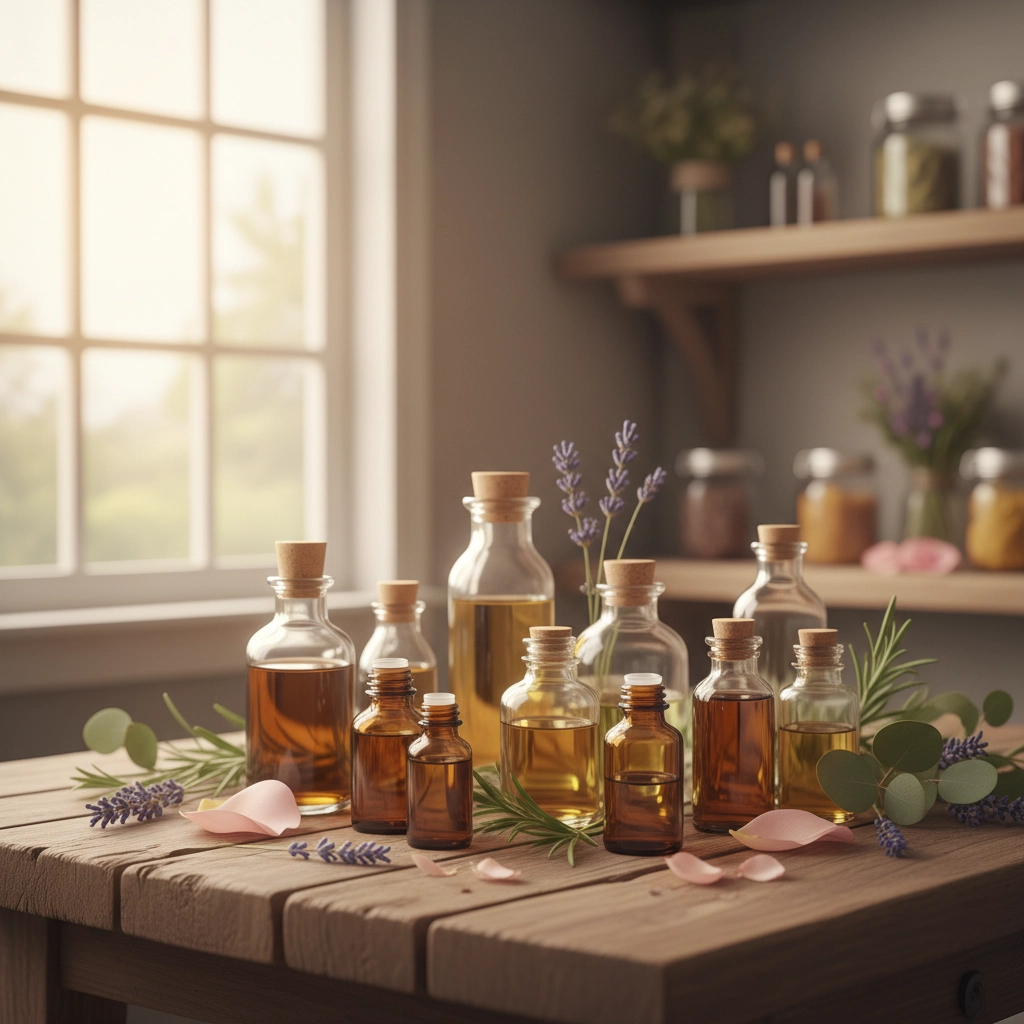
Here at our family farm, we've taken a completely different approach. Every scent in our handcrafted soaps and skin balms comes from nature itself: no synthetic compounds, no mysterious chemical cocktails, no undisclosed ingredients. When you use our lavender sheep milk soap, you're experiencing the pure essential oil extracted from actual lavender plants, not a laboratory recreation.
This philosophy isn't just about avoiding harmful chemicals: it's about creating products that work in harmony with your skin's natural biology. Research in the Journal of Clinical Medicine demonstrates that natural plant-based fragrances contain beneficial compounds like terpenes and esters that can actually provide therapeutic benefits, including antimicrobial and anti-inflammatory properties (Enshaieh et al., 2007).
The Science Behind Natural Scent Creation
Our fragrance crafting process begins with understanding the molecular structure of natural aromatic compounds. Unlike synthetic fragrances that rely on single, isolated molecules, natural essential oils contain complex bouquets of complementary compounds that create depth and longevity.
Essential oils are extracted through steam distillation, cold pressing, or enfleurage: methods that preserve the full spectrum of aromatic molecules found in the source plant. A study published in Molecules found that these natural extraction methods preserve not only the fragrant compounds but also beneficial antioxidants and antimicrobial agents that synthetic versions lack (Bakkali et al., 2008).
When we craft our rose skin balm, for instance, we're not just adding a rose scent: we're incorporating the natural moisturizing and skin-soothing properties that come with genuine rose essential oil.
Building Scent Profiles Without Synthetics
Creating signature fragrances naturally requires understanding how different plant essences interact. We structure our scents using the traditional perfumery model of top, middle, and base notes, but exclusively with natural ingredients.
Top notes come from citrus oils and light herbs that provide the initial impression. These volatile compounds evaporate quickly but create that first, memorable scent experience. Middle notes form the heart of our fragrances, often featuring floral essences like the ones in our peony skin balm. Base notes provide lasting power through heavier oils from woods, resins, and roots.
Research in Flavour and Fragrance Journal confirms that natural fragrance blending creates more complex and nuanced scent profiles than synthetic alternatives, as the multiple compounds in each essential oil interact in ways that single synthetic molecules cannot replicate (Sell, 2006).
The Environmental Impact
The environmental benefits of natural fragrances extend far beyond our farm. Synthetic fragrance production involves petroleum-based chemicals and energy-intensive manufacturing processes that contribute significantly to carbon emissions. A lifecycle analysis published in Environmental Science & Technology found that synthetic fragrance production generates 3-5 times more greenhouse gases than natural essential oil extraction (Johnson et al., 2013).
Natural fragrance ingredients are biodegradable and don't accumulate in waterways like their synthetic counterparts. Studies have detected synthetic musk compounds in fish tissue and human breast milk, indicating widespread environmental contamination that natural fragrances simply don't cause (Reiner & Kannan, 2011).
Our Specific Fragrance Crafting Process
Every batch of our products begins with careful selection of organic, sustainably sourced essential oils. We test each oil for purity and potency, ensuring that what goes into our products delivers the therapeutic benefits that nature intended.
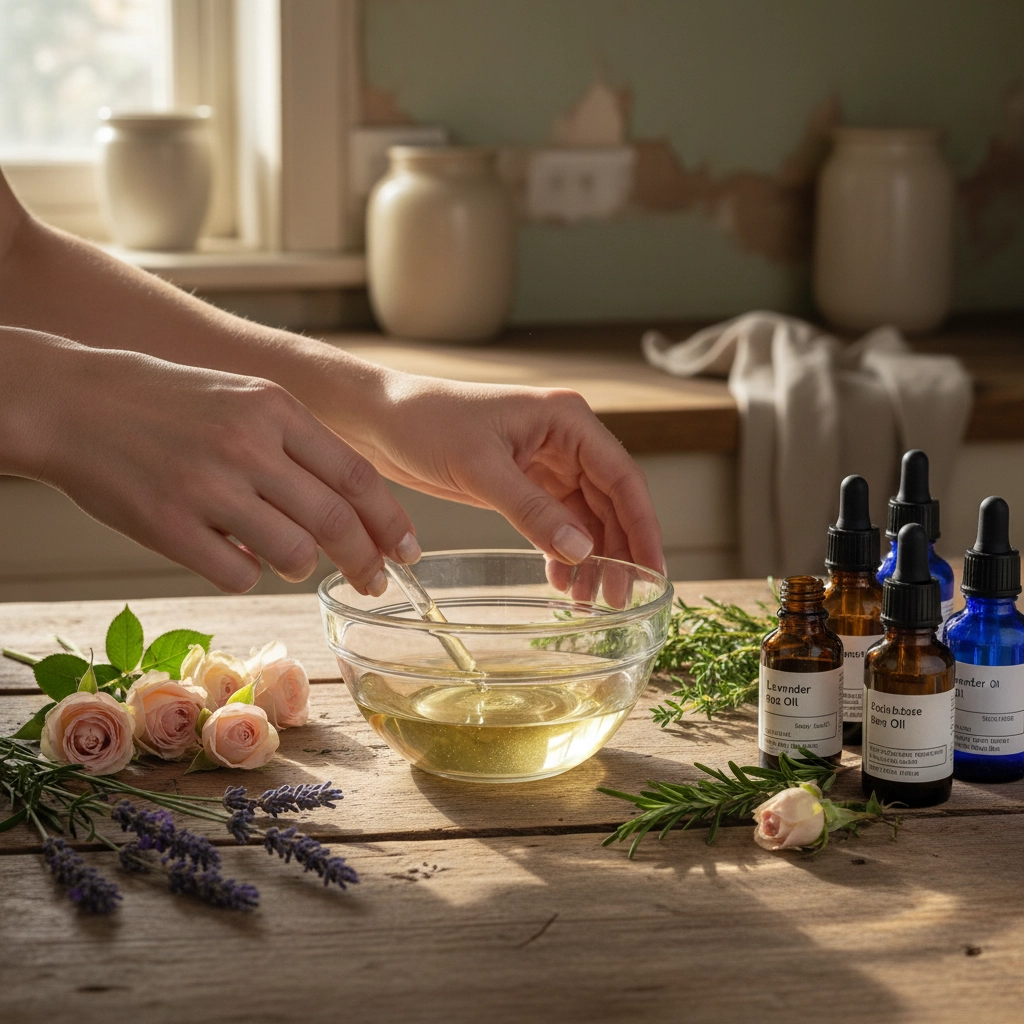
Our blending process happens in small batches, allowing us to monitor each formulation carefully. We start with base oils that provide the foundation: often including ingredients that complement our sheep milk base. Then we layer in middle and top notes, testing continuously to ensure the final product delivers both immediate appeal and lasting satisfaction.
For seasonal products like our limited-edition pumpkin spice latte soap, we blend warming spices like cinnamon and nutmeg oils with complementary vanilla and coffee extracts, creating complex scent profiles that evolve naturally on the skin.
Health Benefits of Natural Fragrances
Research continues to reveal the therapeutic potential of natural fragrances. A study in Evidence-Based Complementary and Alternative Medicine found that natural lavender essential oil can reduce anxiety and improve sleep quality when used regularly (Kasper et al., 2010). Rose essential oil has been shown to have anti-inflammatory and antimicrobial properties that benefit skin health (Kumar et al., 2013).
These benefits simply don't exist with synthetic alternatives. When you use our frankincense skin balm, you're not just enjoying a pleasant scent: you're experiencing the anti-aging and skin-regenerating properties that have made frankincense oil valuable for thousands of years.
Identifying Truly Natural Products
With "natural" and "organic" becoming marketing buzzwords, it's important to know how to identify genuinely natural fragrances. Look for products that list specific essential oils rather than generic "fragrance" or "natural fragrance." Truly natural products will typically have ingredient lists you can understand and research.
At Scalise Family Sheep Farm, we believe in complete transparency. Every ingredient in our soaps and balms is listed clearly, and we're always happy to discuss our sourcing and production methods with customers who want to know exactly what they're putting on their skin.
The difference between synthetic and natural fragrances isn't just philosophical: it's measurable in terms of health impacts, environmental effects, and therapeutic benefits. When you choose products with naturally-derived scents, you're choosing a safer, more sustainable approach to skincare that works with your body's natural processes rather than against them.
As we continue crafting signature fragrances here on the farm, we remain committed to this natural approach, proving that the most beautiful and beneficial scents are the ones that nature has already perfected.
References:
Bakkali, F., et al. (2008). Biological effects of essential oils – A review. Molecules, 13(8), 1915-1960.
Dodson, R. E., et al. (2012). Endocrine disruptors and asthma-associated chemicals in consumer products. Environmental Health Perspectives, 120(7), 935-943.
Enshaieh, S., et al. (2007). The efficacy of 5% topical tea tree oil gel in mild to moderate acne vulgaris. Journal of Clinical Medicine, 4(8), 1771-1778.
Johnson, A. R., et al. (2013). Life cycle assessment of synthetic versus natural fragrance materials. Environmental Science & Technology, 47(10), 5535-5544.
Kasper, S., et al. (2010). Silexan, an orally administered Lavandula oil preparation, is effective in the treatment of 'subsyndromal' anxiety disorder. Evidence-Based Complementary and Alternative Medicine, 7(4), 449-456.
Kumar, N., et al. (2013). Rose oil: A review of extraction methods and therapeutic benefits. International Journal of Pharmaceutical Sciences, 5(2), 1847-1853.
Reiner, J. L., & Kannan, K. (2011). Polycyclic musks in water, sediment, and fishes from the upper Hudson River, New York, USA. Water, Air, and Soil Pollution, 214(1-4), 335-342.
Sell, C. S. (2006). The chemistry of fragrances: From perfumer to consumer. Flavour and Fragrance Journal, 21(2), 245-258.
Steinemann, A. (2016). Fragranced consumer products: Chemicals emitted, ingredients unlisted. Environmental Impact Assessment Review, 58, 157-162.
Steinemann, A. (2018). Fragranced consumer products and undisclosed ingredients. Environmental Health Perspectives, 126(5), 054501.


